

Discover India’s cyber law essentials, IT Act, data protection, and unique expert insights for secure digital operations.
Introduction to Cyber Law in India and Its Importance
India’s digital revolution has transformed the nation into a global powerhouse for commerce, communication, and online innovation. But with unprecedented connectivity comes new legal challenges: data breaches, online fraud, and evolving cyber threats threaten individuals and businesses daily. For anyone navigating the digital landscape—be it multinational enterprises or startups—understanding cyber law is no longer optional. It’s the key to secure, thriving business operations.
What is Cyber Law?
Cyber law encompasses the rules, regulations, and legal frameworks established by the Indian government to govern digital interactions, protect data, and prosecute cybercrimes. These laws safeguard everything from daily communications to billion-dollar digital transactions, offering security and legal recourse when the internet becomes risky terrain.
Overview of the Indian Cyber Law Framework
Foundation Legislation
The backbone of Indian cyber law is the Information Technology Act, 2000, supplemented by amendments and new statutes like the Digital Personal Data Protection Act, 2023. The IT Act recognized electronic contracts, validated digital signatures, and defined penalties for hacking, data theft, and online fraud.
Key Regulatory Bodies
- CERT-In (Indian Computer Emergency Response Team): National nodal agency for cyber security incident management.
- Data Protection Authority: Expected under DPDPA 2023 to regulate personal data processing.
Major Provisions of the IT Act
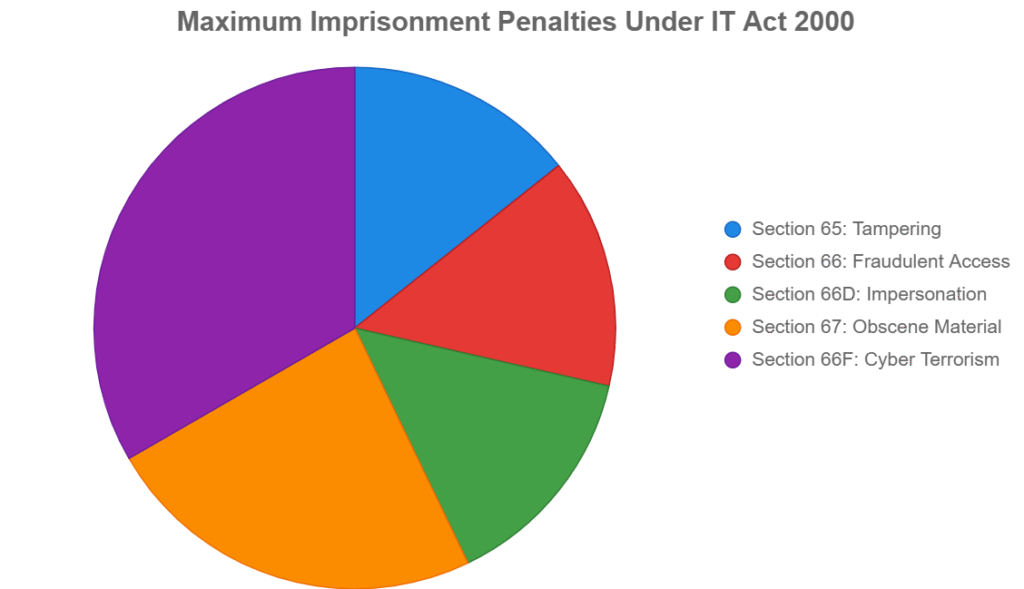
- Section 65: Tampering with computer source documents—up to 3 years imprisonment or fine.
- Section 66: Fraudulent access or misuse of digital identities—up to 3 years imprisonment.
- Section 66D: Cheating by impersonation—up to 3 years imprisonment.
- Section 67: Publishing or transmitting obscene material—up to 5 years imprisonment.
- Section 66F: Cyber terrorism—life imprisonment.
Importance of the Information Technology Act, 2000
Digital Commerce & Governance
The IT Act enabled secure e-commerce and e-governance, ensuring trust and integrity of digital transactions, contracts, and communications.
Data Protection & Digital Rights
Amendments and new bills, such as the DPDPA, reinforce data protection. Companies must now uphold strict standards for collecting, processing, and storing user information.
Actionable Compliance Checklist
Here’s what organizations must do, based on recent amendments and industry standards:
- Audit existing data security and handling practices regularly
- Appoint a Chief Information Security Officer (CISO)
- Train staff on cyber risk awareness
- Ensure all contracts have updated data protection clauses
- Establish incident response and reporting mechanisms
Impact of Cyber Law on Digital Transactions in India
The Commercial Perspective
Cyber law’s provisions have directly boosted the confidence of global corporations in operating within India. Digital contracts, e-signatures, and robust dispute mechanisms facilitate transactions worth billions of rupees every day.
Common Pitfalls to Avoid
- Neglecting legal due diligence before entering into online business agreements
- Failing to implement robust cybersecurity protocols
- Poor incident reporting and documentation
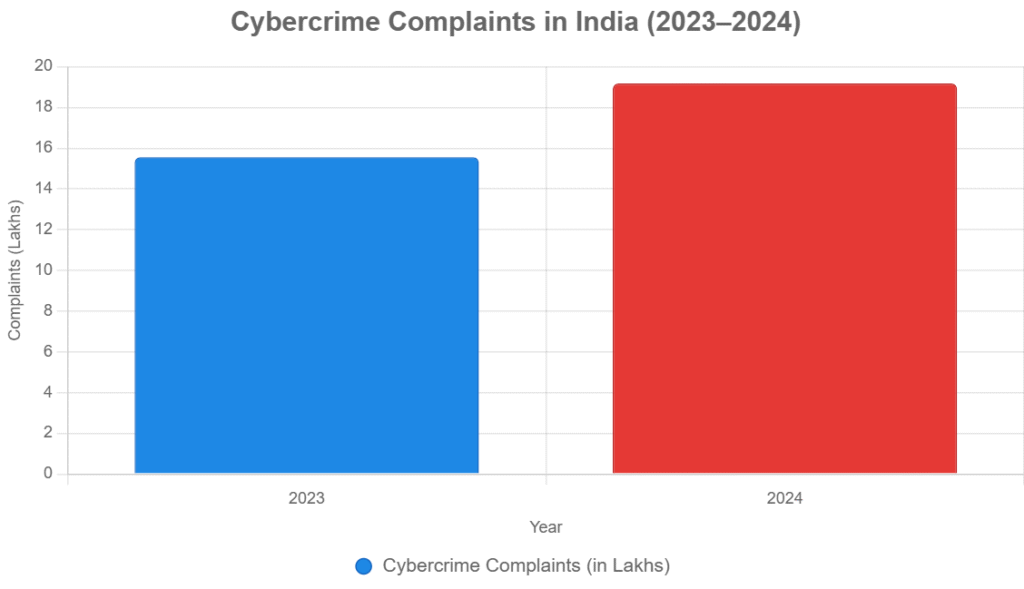
Evolution of Cybercrime Laws in India
Increasing Sophistication in Legal Response
As cyber threats evolve—from identity theft and phishing to ransomware and state-sponsored attacks—Indian law continues to adapt with stricter penalties, enhanced surveillance, and cross-border cooperation.
Enforcement Agencies
Key bodies like CERT-In, the Cyber Crime Cell, and sectoral regulators collaborate for the effective investigation and prosecution of digital offenses.
Actionable Steps for Individuals and Companies
Step 1: Understand Your Digital Rights and Responsibilities
- Know what personal/business data is protected
- Understand lawful uses and limitations of online content
Step 2: Proactively Guard Digital Assets
- Use strong, unique passwords and digital signatures
- Regularly update software and security systems
- Report suspicious activity to legal advisors or authorities
Indian Cyber Law Compliance Checklist
- Maintain logs of digital transactions
- Document internal security policies
- Conduct periodic cyber security audits
- Keep abreast of legislative updates
Cyber Law Compliance ROI Calculator
Estimate the return on investment for cyber law compliance services.
Unique Case Study
Case: In “XYZ Corporation vs. Anonymous Hackers, 2023,” a leading Indian IT company suffered a data breach compromising thousands of customer profiles. Quick action under Section 43A of the IT Act allowed them to file a complaint, trigger CERT-In’s response, and recover most of the stolen data. The landmark ruling reinforced that failing to adopt “reasonable security practices” exposes companies to heavy damages, including compensation for affected clients. This case prompted major industries to adopt stricter compliance, multi-factor authentication, and regular staff training—proving that proactive legal action and security saves reputation and resources.
Frequently Asked Questions (FAQ)
1. What is the scope of cyber law in India?
Cyber law regulates digital activities, data protection, cybercrimes, e-commerce, and privacy issues, affecting all individuals and businesses online.
2. How do I report a cybercrime?
Approach your nearest police cyber cell or use the national portal (cybercrime.gov.in). Businesses should report immediately to CERT-In.
3. Is the Information Technology Act, 2000 sufficient?
While foundational, amendments and new laws like DPDPA address gaps—especially around data protection and intermediary liability.
4. What are common compliance mistakes?
Failing to update internal policies, neglecting staff training, poor incident response, and incomplete documentation.
5. Are foreign companies subject to Indian cyber law?
Yes—if they process data of Indian citizens or operate digital services in India, compliance is mandatory.
6. How can Jurist Zone help?
Jurist Zone offers tailored compliance audits, incident response planning, and ongoing legal support for global and local clients, ensuring full adherence to Indian and international standards.
7. What are the penalties for violating cyber law?
Penalties range from fines to imprisonment, depending on the offense—e.g., up to 3 years for hacking, life imprisonment for cyber terrorism.
Jurist Zone leads the field in cyber law compliance, litigation, and advisory services. The firm’s deep expertise, global perspective, and individualized attention make it the preferred partner for SMEs, MNCs, and startups facing complex cyber legal challenges. With extensive experience in data protection, digital contract drafting, and cybercrime defense, Jurist Zone ensures clients are shielded from legal risks—and poised for digital success.
- Mobile: 7011465759
- Email: pyushverma@juristzone.co.in
- Expert Advisory: Schedule your complimentary consultation, request a personalized checklist, or receive expert guidance from industry leaders.
Secure your business and protect your digital assets—Contact Jurist Zone today for a free, confidential consultation. Download our Cyber Law Compliance Checklist or connect directly via 7011465759 / pyushverma@juristzone.co.in.
Disclaimer: This content is for informational purposes only and does not constitute legal advice. For guidance on your unique situation, consult Jurist Zone or another qualified cyber law expert.